The New Zealand Government has mandated wool use in public sector construction from 1 July 2025, here’s what industry professionals need to know. As of 1 July 2025, New Zealand’s public sector construction landscape will undergo a major shift. The Ministry of Business, Innovation and Employment (MBIE) has introduced new procurement rules that require over 130 government agencies to prioritise wool-based materials in new construction projects valued at $9 million or more, and refurbishments exceeding $100,000.
Overview of the MBIE Wool Procurement Rules
The government’s move to prioritise wool in public sector construction is part of a broader strategy to support New Zealand’s agricultural economy, promote environmentally responsible building practices, and encourage the use of high-performance local materials.
By mandating wool use where practical, the policy aims to reduce reliance on synthetic alternatives, reinvigorate the wool industry, and ensure that public buildings reflect national values of sustainability, resilience, and innovation.
Quick Takeaways for Industry Professionals:
- Thresholds: Applies to new public sector builds over $9 million and refurbishments over $100,000.
- Covered entities: Includes 130+ agencies such as ministries, schools, hospitals, and Crown entities.
- Material focus: Wool must be prioritised in insulation, acoustic panels, carpets, and upholstery.
- Compliance requirement: If wool is omitted, agencies must submit justification and annual reporting to MBIE.
For industry professionals, this means proactively rethinking materials choices, supplier relationships, and tender strategies to stay aligned with government expectations.
What Does This Mean for Your Projects?
If you’re designing or delivering public sector buildings, the new rules will influence your material choices. Wool is now expected, and in many cases required, for insulation, acoustic performance, and interior finishes.
This includes wool insulation for walls, ceilings, and underfloors; wool-based acoustic panels for sound control; and wool carpeting or upholstery to meet interior standards.
Omitting wool where it is practical could reduce your competitiveness in public tenders, particularly where environmental or social procurement factors are weighed.
Why Wool? The Material Benefits
Wool offers several technical advantages that align with the government’s goals for healthier and longer-lasting buildings. It is naturally flame-resistant, which helps meet fire safety requirements, and its moisture-regulating properties support better indoor air quality and reduce the risk of mould. Being biodegradable and renewable, wool also aligns with New Zealand’s broader environmental commitments.
On a functional level, wool is durable, low-maintenance, and provides excellent acoustic performance, making it especially suitable for schools, offices, and healthcare facilities.
Preparing for Compliance with the New Rules
To meet the MBIE wool procurement requirements, building professionals should begin reviewing their current specifications and supplier relationships. Wool-based materials should not only meet performance and building code standards but also be available at a commercial scale.
When selecting products, it’s important to ensure they come with appropriate environmental documentation and are supplied by manufacturers familiar with government compliance processes.
Some suppliers are already updating their product lines to suit the new rules and can assist with specification support and reporting templates.
Why Textile Products Real Wool Insulation Is Your Product of Choice
Textile Product’s Real Wool Insulation offers a future-ready solution for public sector construction projects aiming to comply with MBIE’s new wool procurement rules, without compromising on performance, durability, or environmental integrity.
So what makes it stand out? Let’s take a closer look.
Natural Performance, Enhanced by Innovation
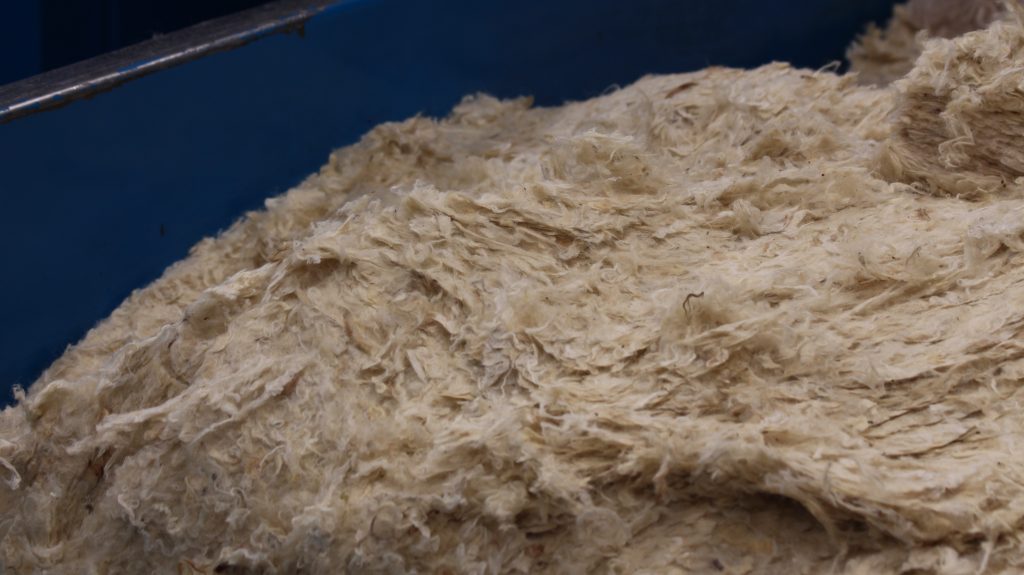
Our Real Wool Insulation is crafted from strong, locally sourced New Zealand wool blended with recycled polyester for added strength and longevity. The result is a warm, dry, and breathable material that regulates indoor air quality while maintaining excellent thermal performance. It keeps buildings warm in winter, cool in summer, and supports healthier indoor environments by managing moisture and reducing the risk of dampness and mould.
Safe to Handle, Simple to Install
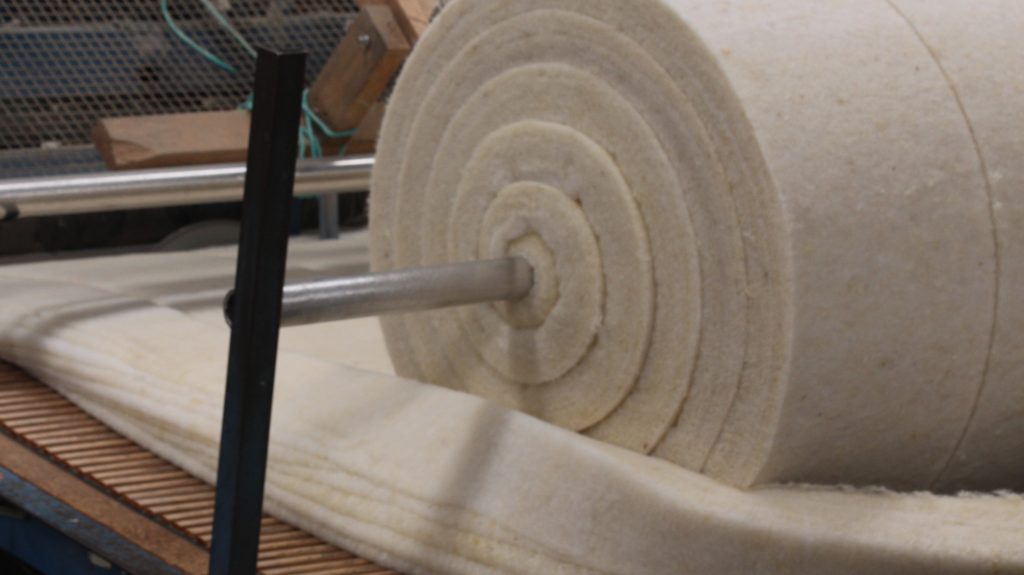
Soft to the touch and free from chemical smells or itchy fibres, Real Wool Insulation is safe for installers and occupants alike. It’s thermally bonded, glue-free and requires no special handling, making it an ideal choice for projects prioritising both performance and wellbeing.
Built for the Public Sector
This product is BRANZ Appraised and meets key New Zealand Building Code clauses for durability (B2), internal moisture (E3), hazardous building materials (F2), and energy efficiency (H1). It is also non-corrosive (AS/NZS 4859.1), naturally vermin-resistant, and contains no toxicity of concern under the Global GreenTag International Standard v4.0.
Designed for Compliance and Customisation
Real Wool Insulation is available in a range of R-values, densities (gsm), and widths to suit specific project needs.
Versatile Applications Across Public Projects
From education to healthcare to government offices, Textile Products Real Wool Insulation is suitable for a wide range of uses:
- Wall, ceiling, roof, and underfloor insulation
- Garage doors, attics, and lofts
- Pipe lagging and hot water cylinder wraps
- Acoustic insulation for sound control between rooms or floors
- Even temperature-controlled packaging and ducting
Whether you’re focused on acoustic performance, energy efficiency, or indoor air quality, Textile Products Real Wool Insulation delivers a compliant, high-performance, and proudly New Zealand-made solution that helps you meet both building standards and the new government expectations.
What Should Your Next Steps Be?
To stay ahead of the MBIE wool procurement changes and remain competitive in the public sector construction space, it’s essential to act now. Whether you’re an architect, engineer, quantity surveyor, or procurement manager, here’s how you can get your practice or business aligned with the new expectations:
1. Review your material specifications
Audit your current material libraries and templates to identify where wool-based alternatives such as insulation, acoustic panels, and flooring can be incorporated.
2. Connect with trusted wool suppliers
Engage with manufacturers to understand performance certifications, pricing, and availability. Ask about support for public sector tenders and compliance documentation.
3. Update your internal procurement processes
Ensure your tender documentation, spec sheets, and purchasing workflows reflect the new MBIE expectations. Include wool-based materials as the default where practical.
4. Educate your team and clients
Communicate the benefits of wool, including fire resistance, acoustic performance, moisture control, and positive environmental impact, to your staff and stakeholders to build buy-in.
5. Plan for compliance reporting
Understand what documentation will be required if wool is not used, and prepare your team to track product choices and justifications for MBIE reporting.
6. Futureproof your project pipeline
Align early-stage project planning with wool-first thinking to ensure smoother approvals and stronger positioning in competitive bids.
Futureproof your specifications with MBIE-compliant wool insulation, acoustic panels, and interior materials from Textile Products. Our NZ-made solutions meet high design standards while aligning with government procurement rules.
This policy change is more than a compliance checkbox. It’s an opportunity to embrace a material that’s natural, high-performing, and uniquely New Zealand.
Contact Us Today
For more information or any inquiries, please don’t hesitate to get in touch with our team today.